
The Economist Educational Foundation
2013 – ongoing // economistfoundation.org
In a divisive world, young people need the skills to identify fake news, make up their own minds and have their say about the big issues affecting their lives. The Economist Educational Foundation empowers young people with the skills to challenge misinformation and enables inspiring discussions about the news to take place in schools.
In 2012, a friend set up the Foundation from within The Economist and I’ve been involved ever since. To start with I volunteered by designing logos and helping to stage their annual event. As the Foundation has grown, so has their need for design. I now provide freelance design work across range of projects including brand, learning resources, educational content, impact reports and website design.
Below is a sample of projects and work.
Topical Talk
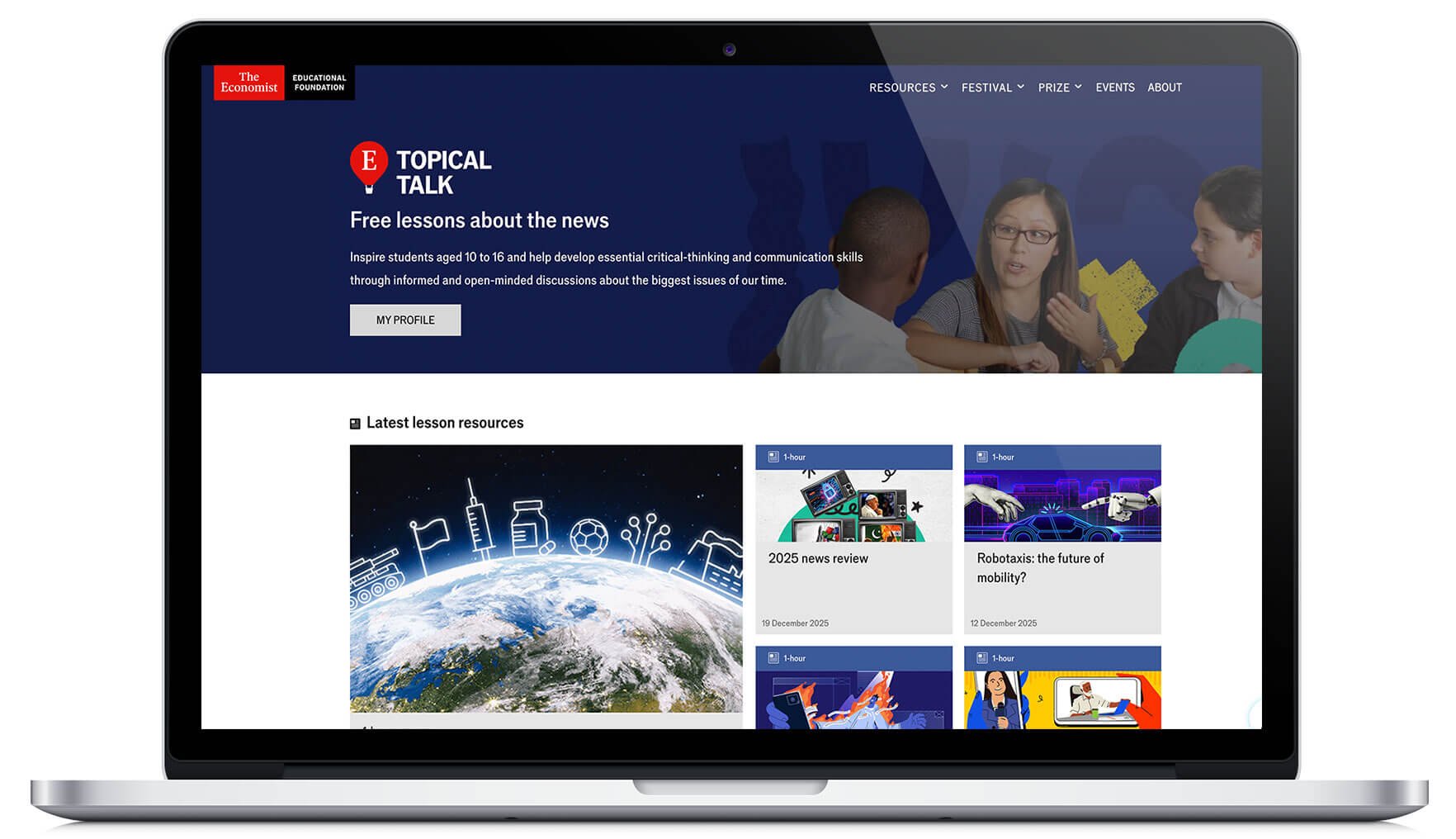
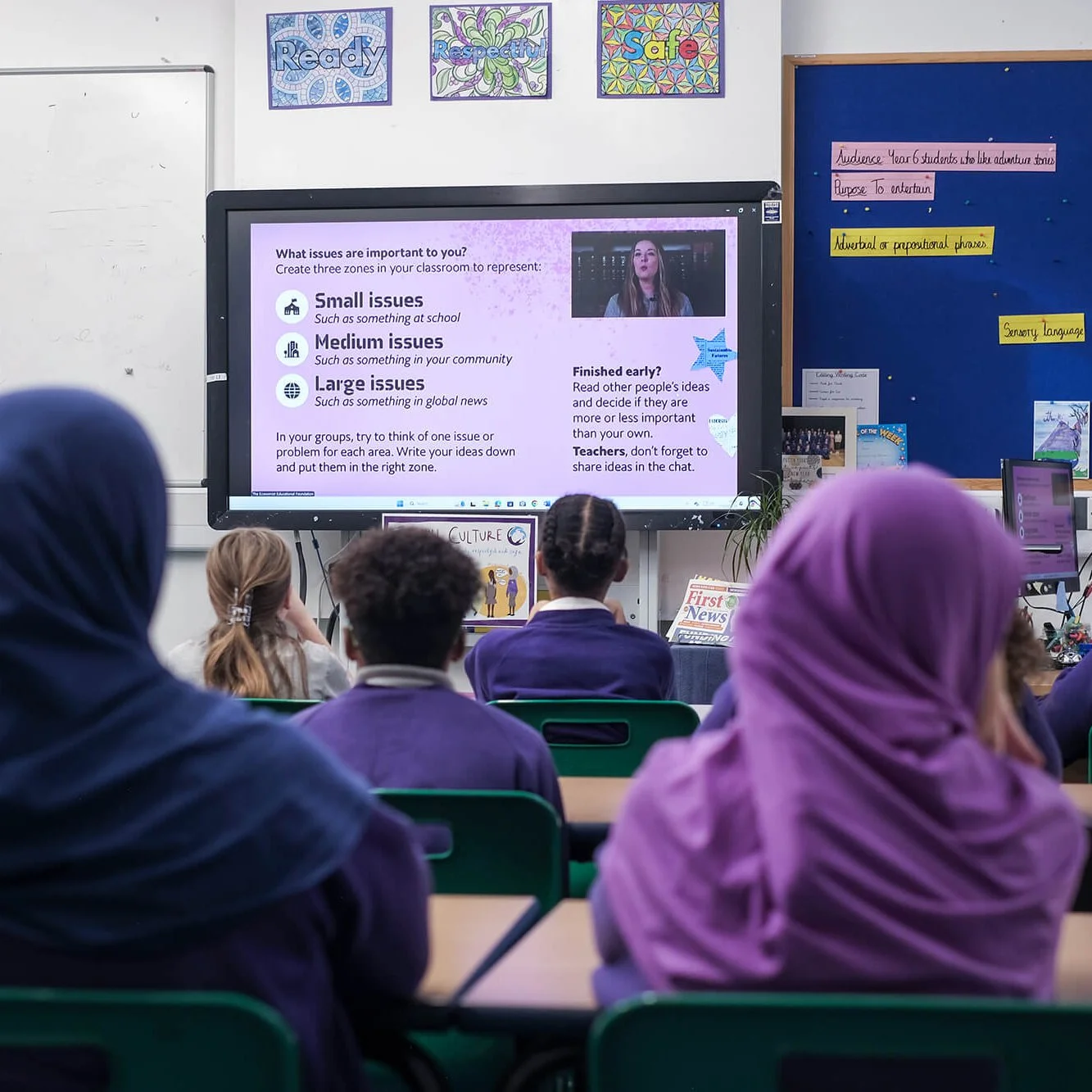
Topical Talk is the Foundation’s flagship programme – free, expert-led weekly lessons created by teachers and journalists from The Economist. Each Headline lesson is designed to spark discussion and build students’ critical-thinking and communication skills.
Every week, thousands of teachers rely on Topical Talk Headlines to bring clarity to a fast-moving world. The lessons tackle the global news shaping students’ lives – from climate change and democracy to AI, conflict and culture – with the accuracy, depth and independence you expect from The Economist.
The lessons
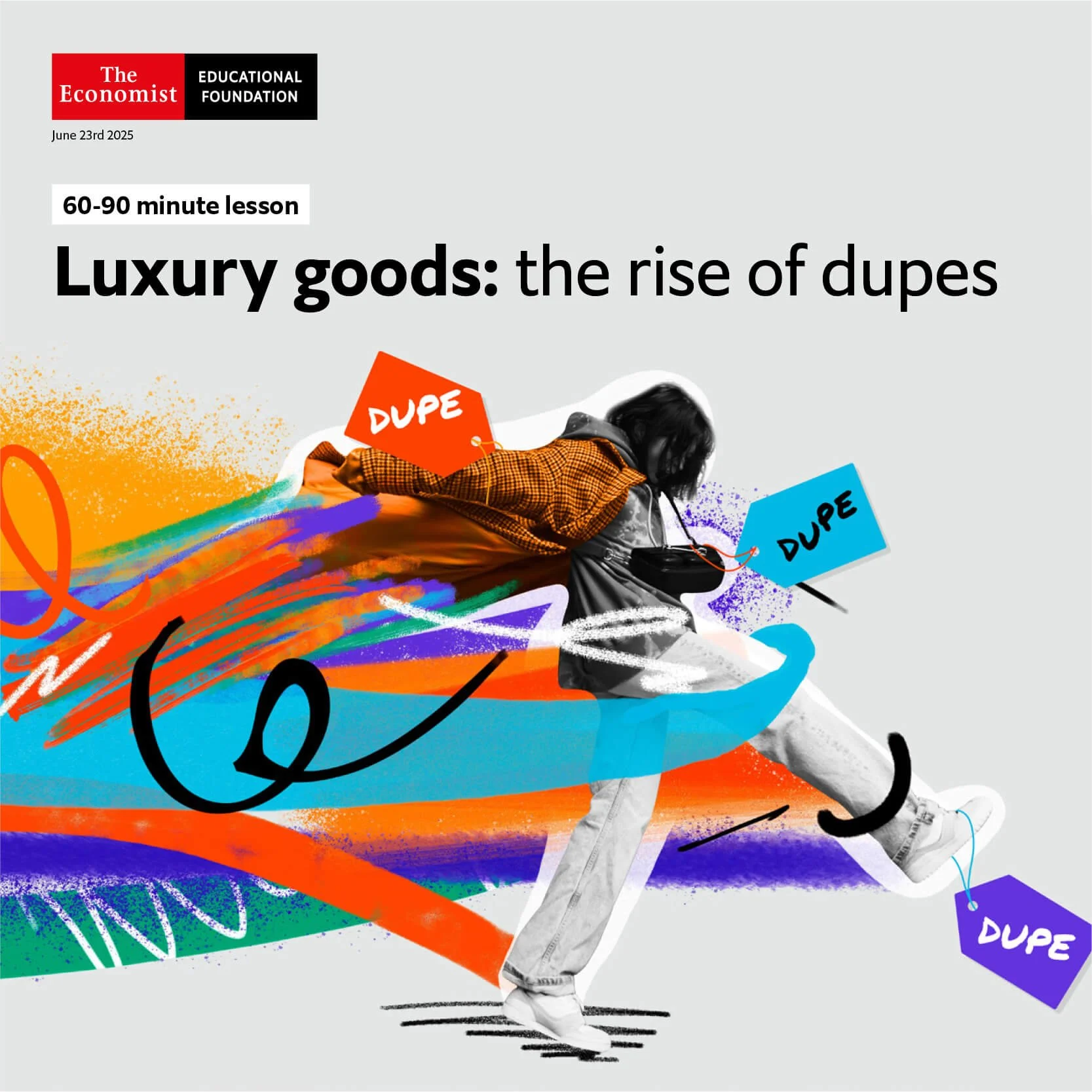
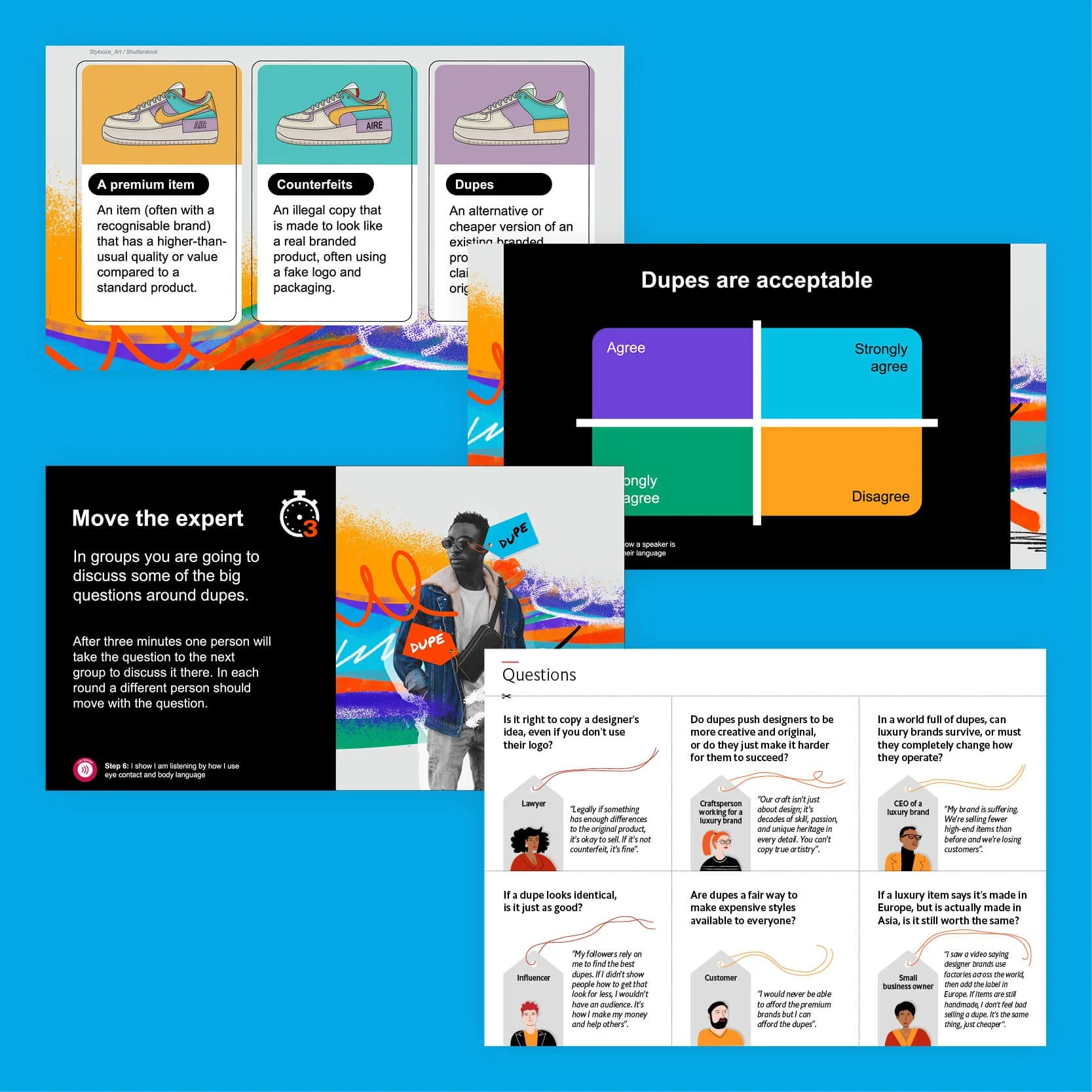
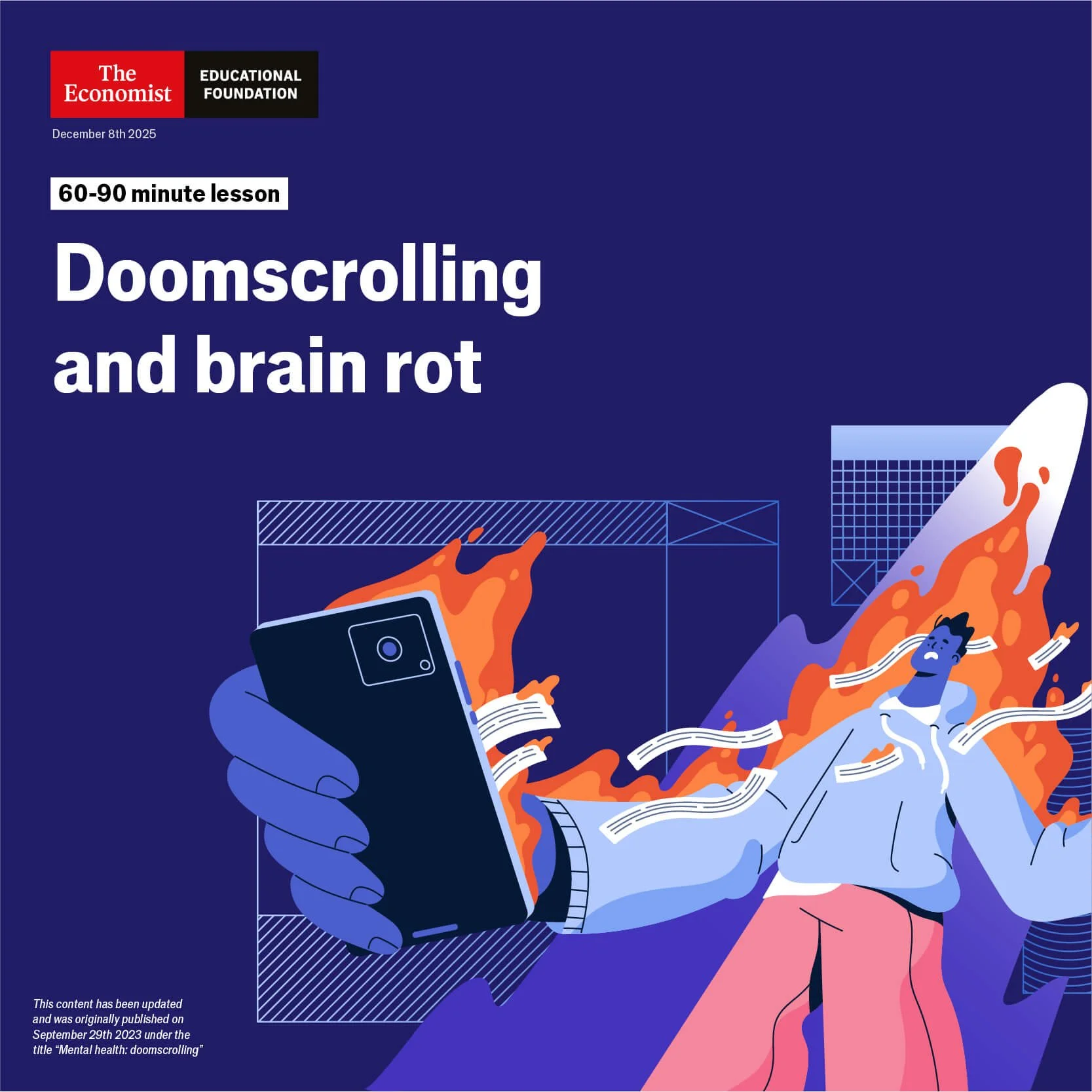
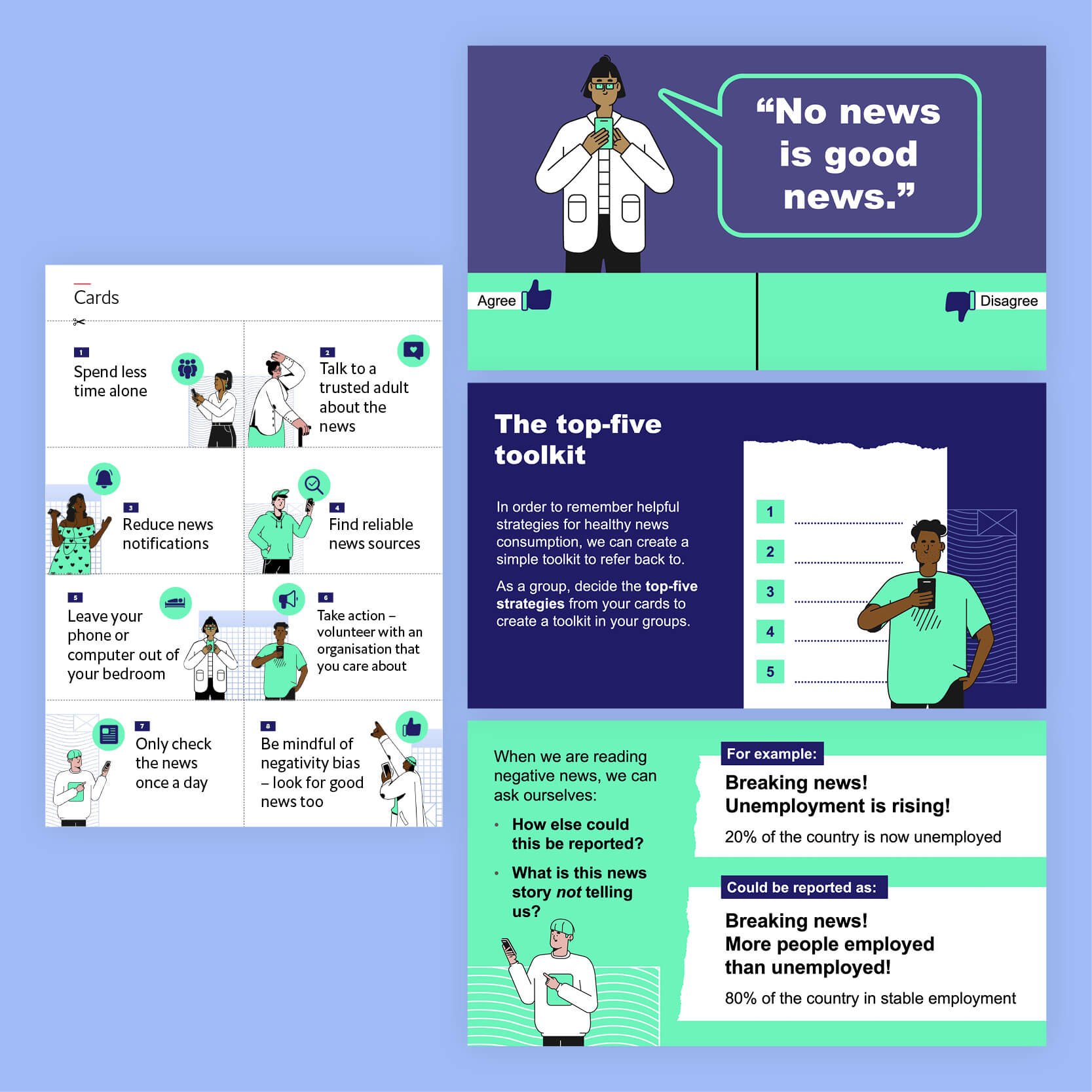
From a design and process perspective, there’s a lot to unpack. Firstly the speed. The process for each one takes ten days, from concept to publication, involving experienced teachers, Economist journalists, topic experts, fact-checkers, designers and proof-readers.
The process works because I’ve built the following system:
Brand guidelines that allow for flexibility in design theme but with rules on how to keep our resources at a high standard
Underlying typography system
InDesign templates with frameworks for core activities that are repeatable.
Core content in PowerPoint to speed up edit turnarounds
Accessibility guidance
Annual surveys to account holders that get teacher feedback on the lesson design so that we can iterate.
A commitment to excellence and not designing “down” to students.
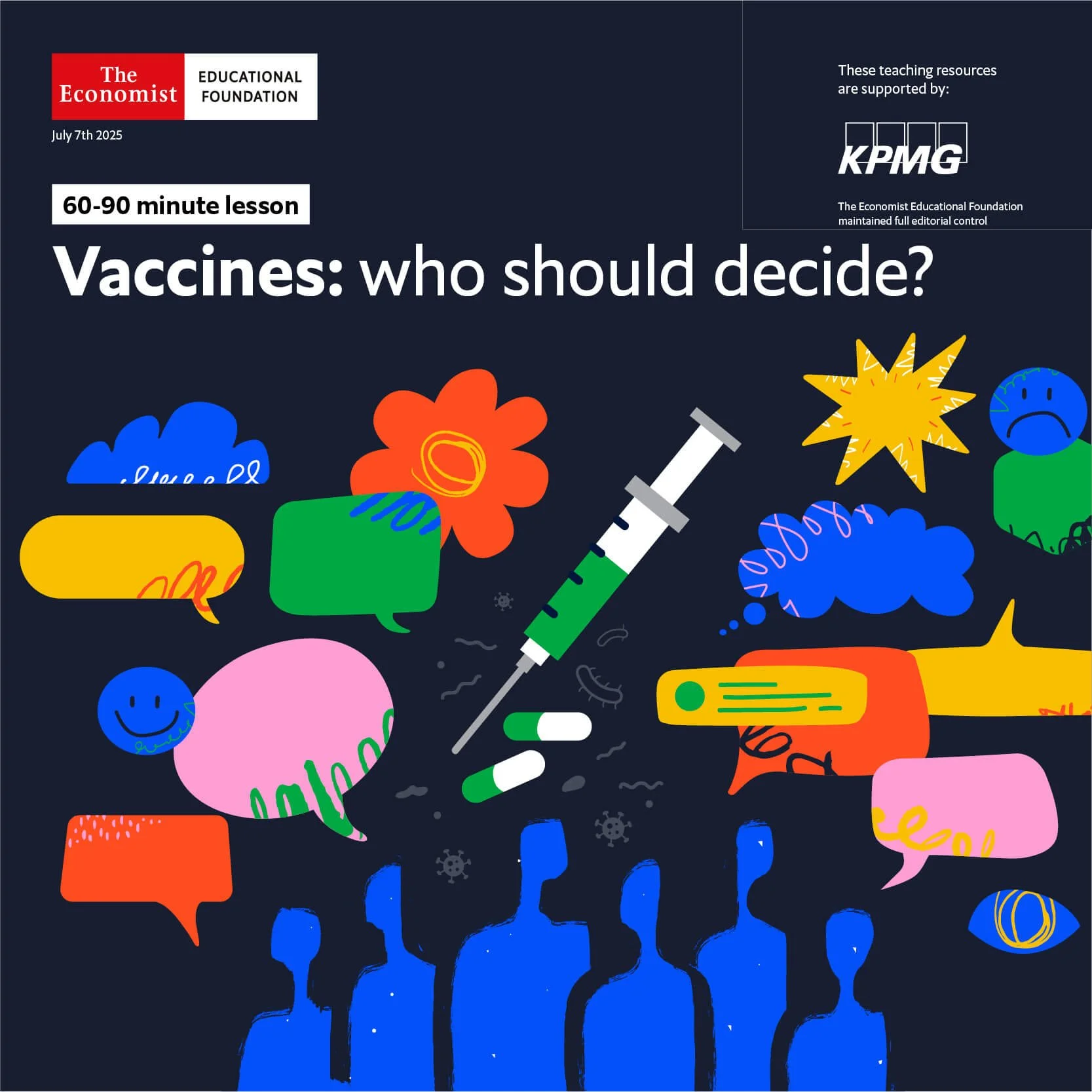
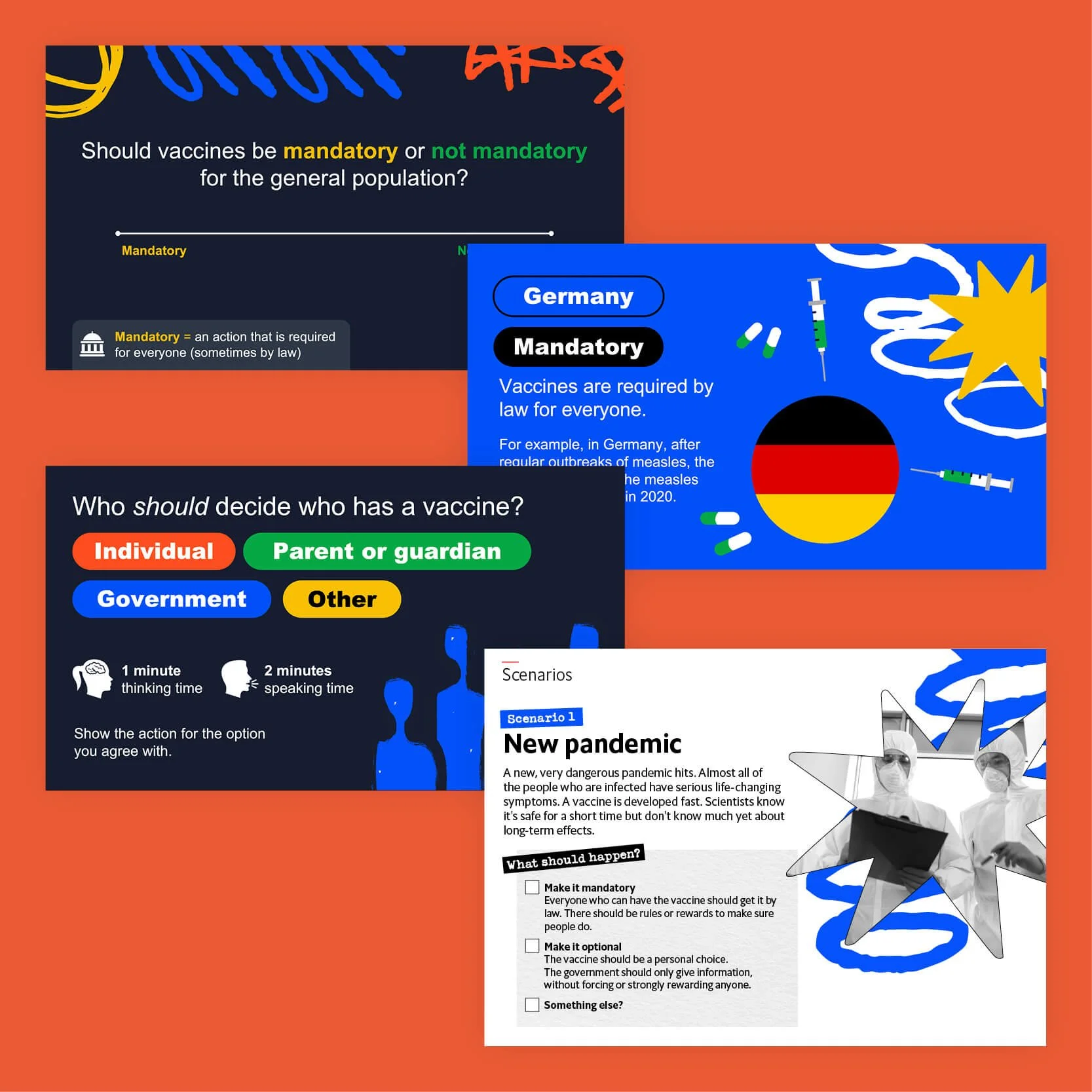
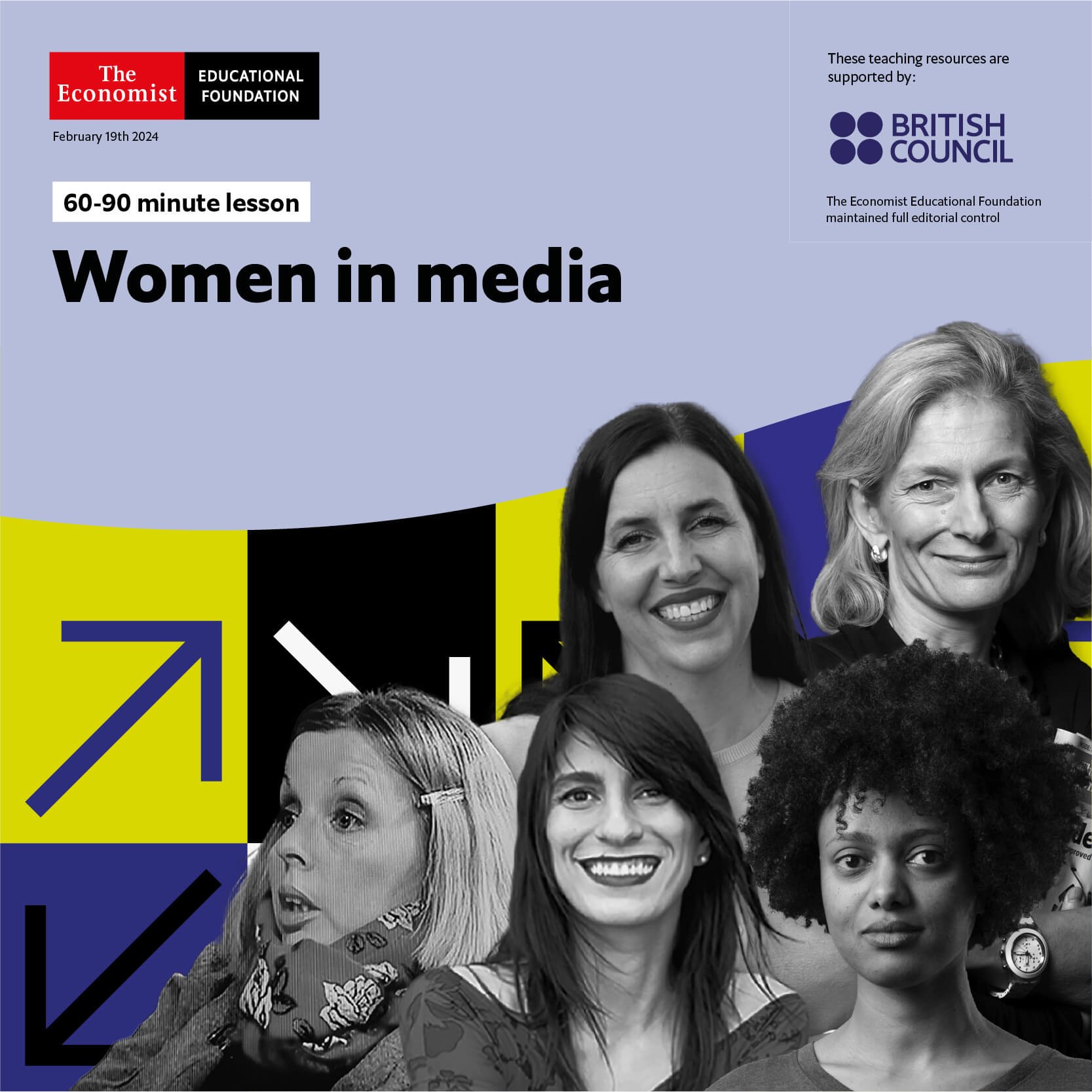
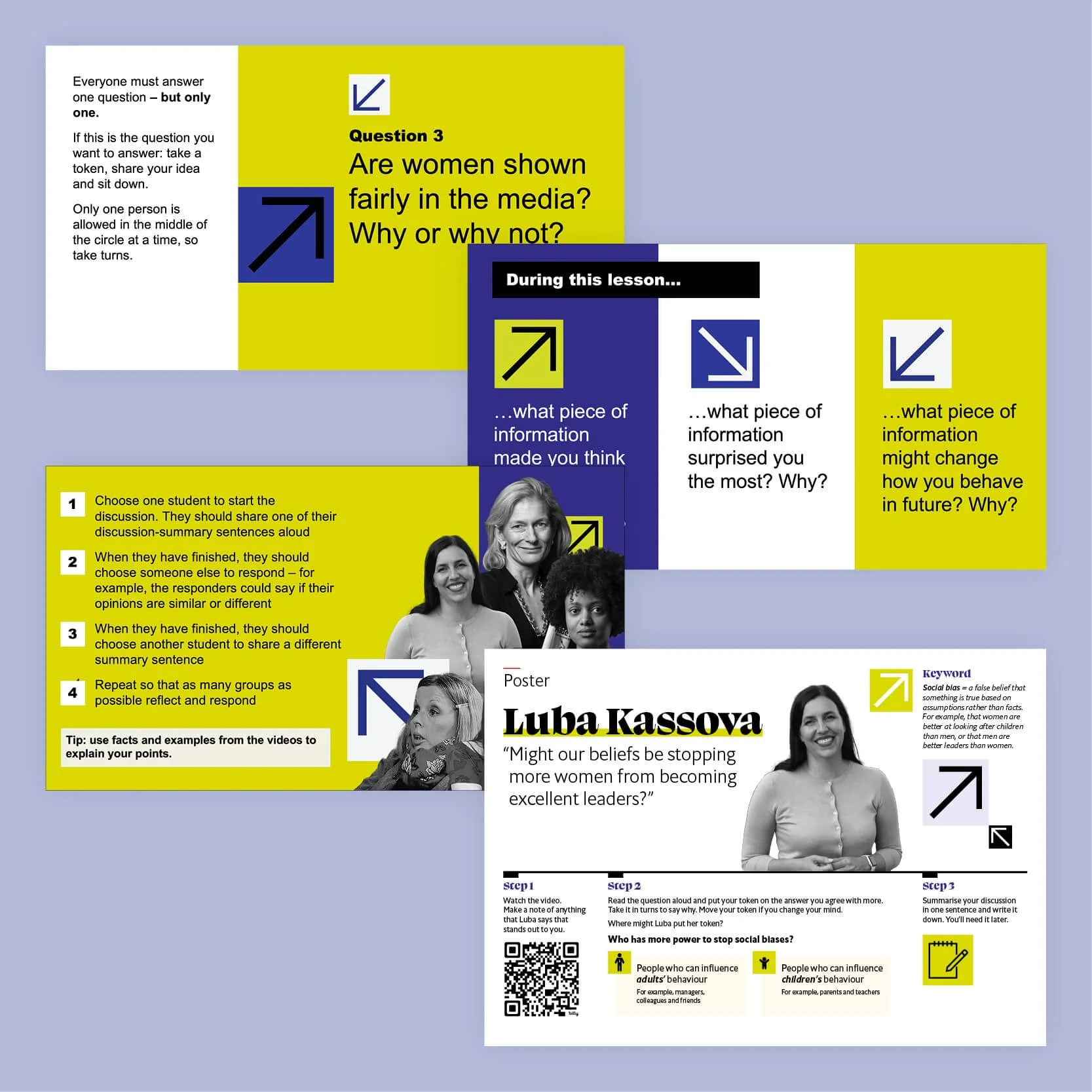
The website
The Topical Talk website acts as the access point where teachers and parents from around the world can create an account and download any lesson for free.
I lead the digital and website development for the Foundation and manage the digital agency for this product.
Leadership for Change Prize
2024
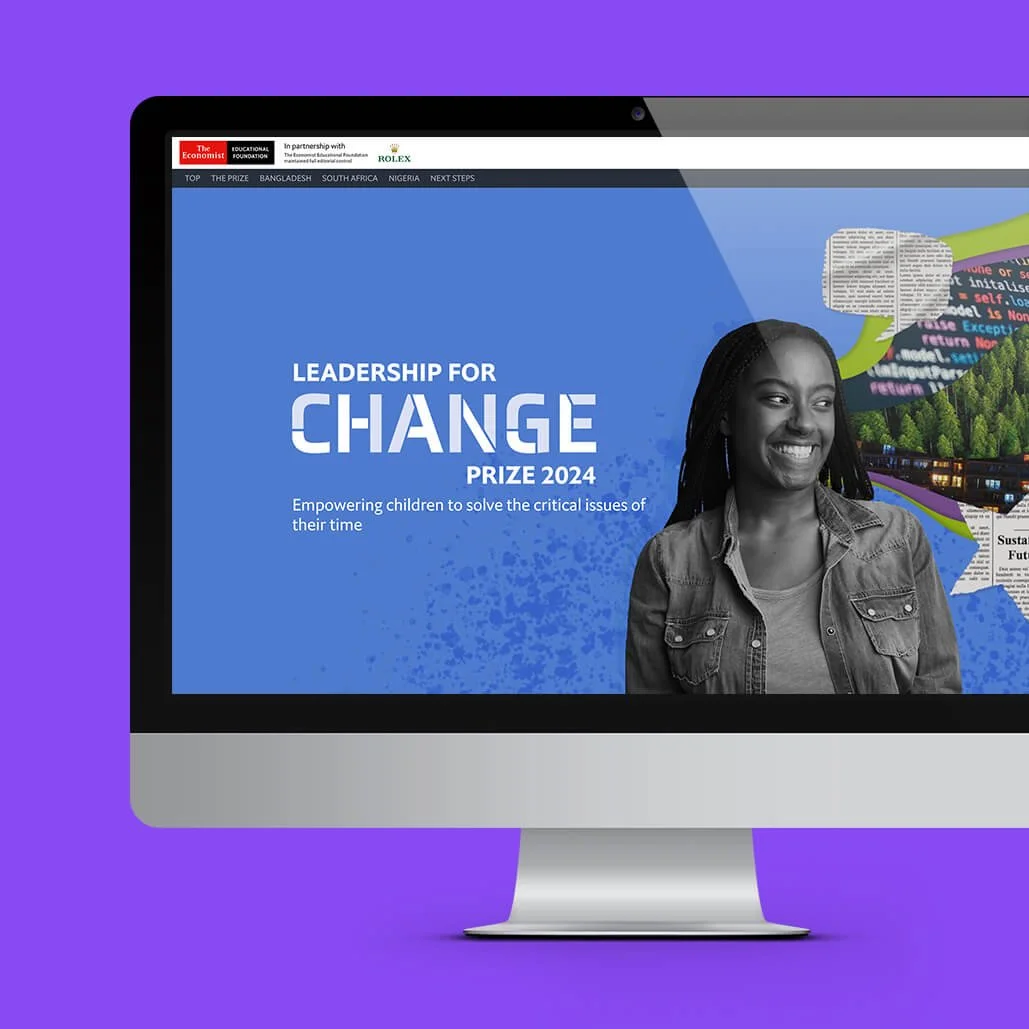
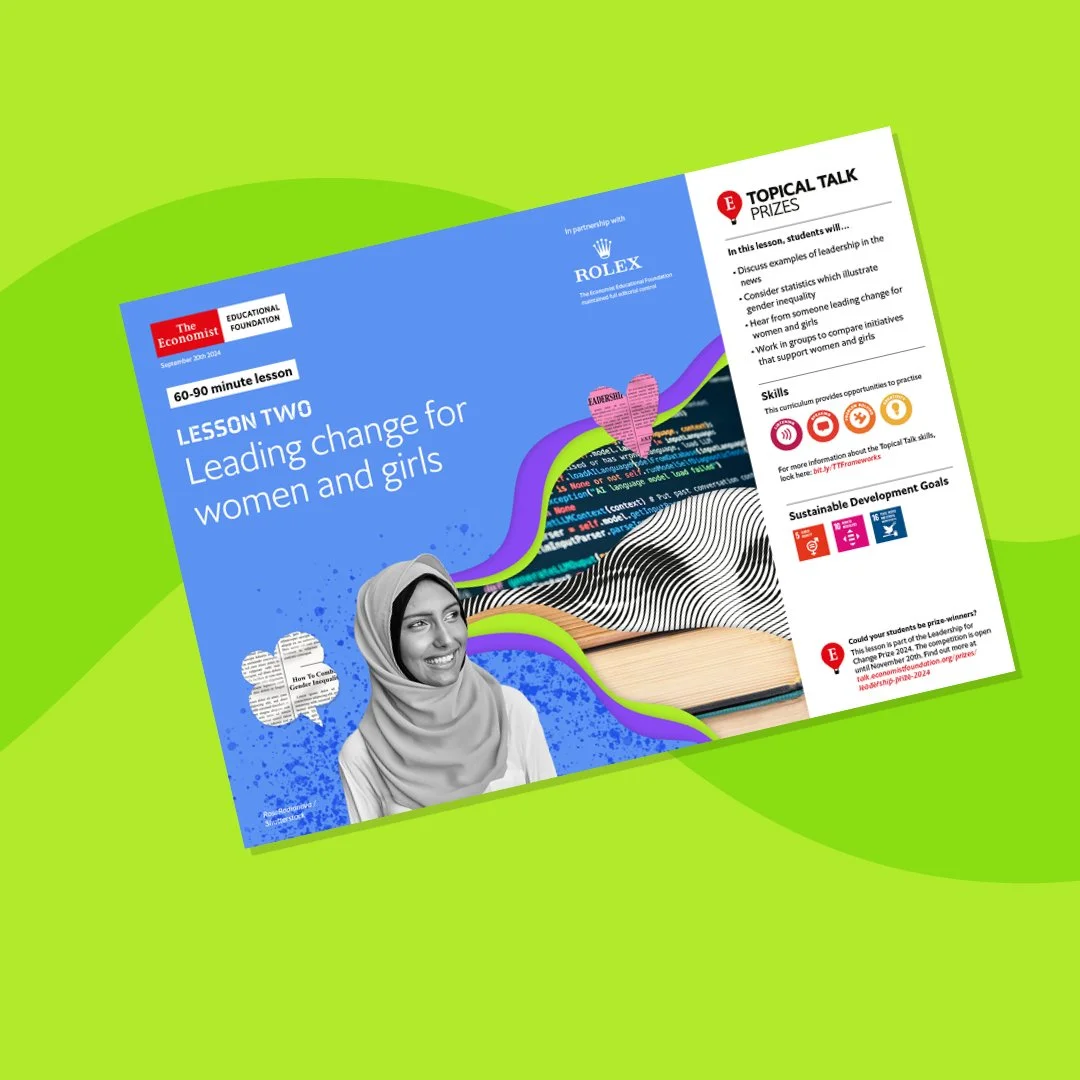
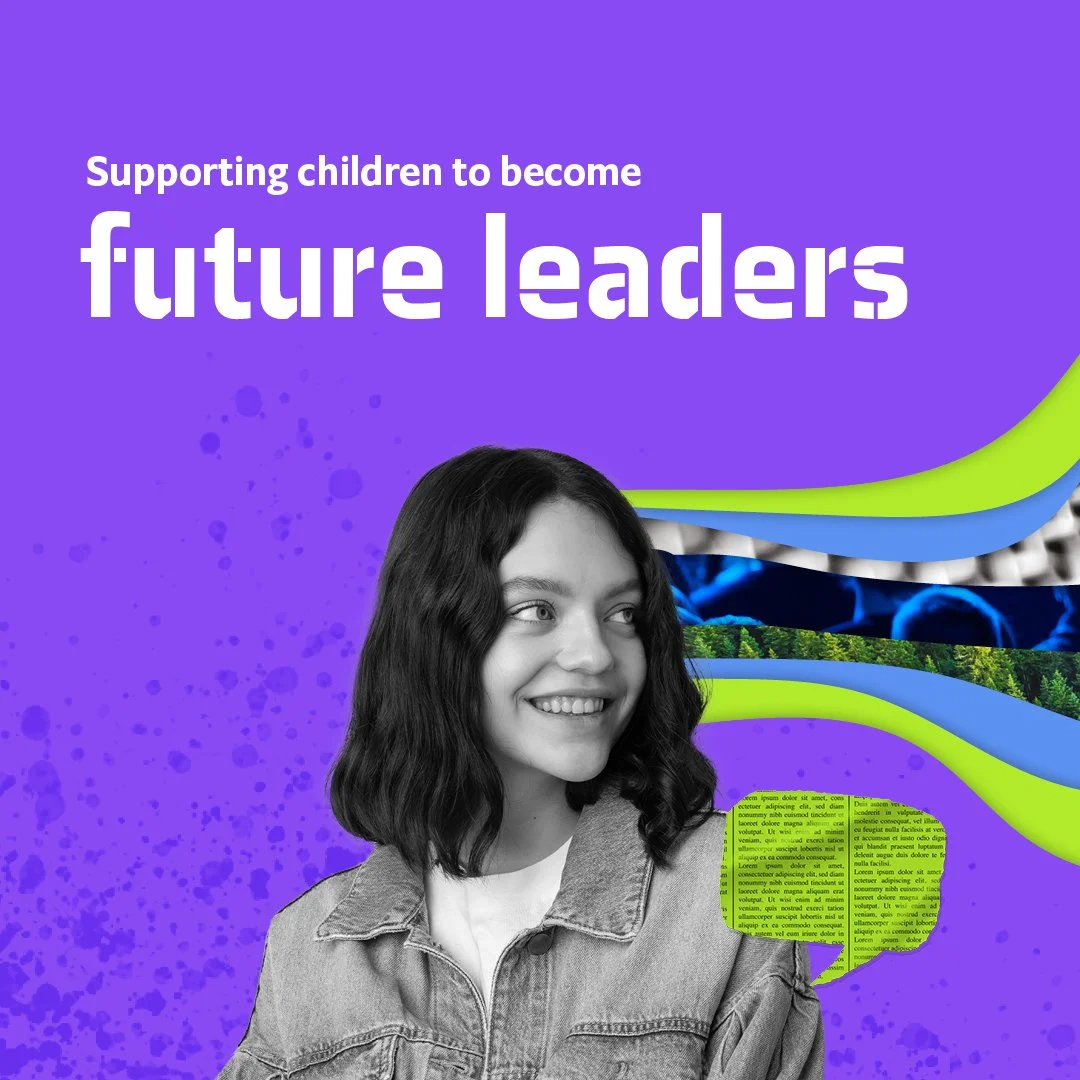
The Leadership for Change Prize, a partnership with Rolex, empowers students to build the skills and confidence they need to tackle global challenges. I led the design and digital development for this launch, which used nearly every skill up my sleeve.
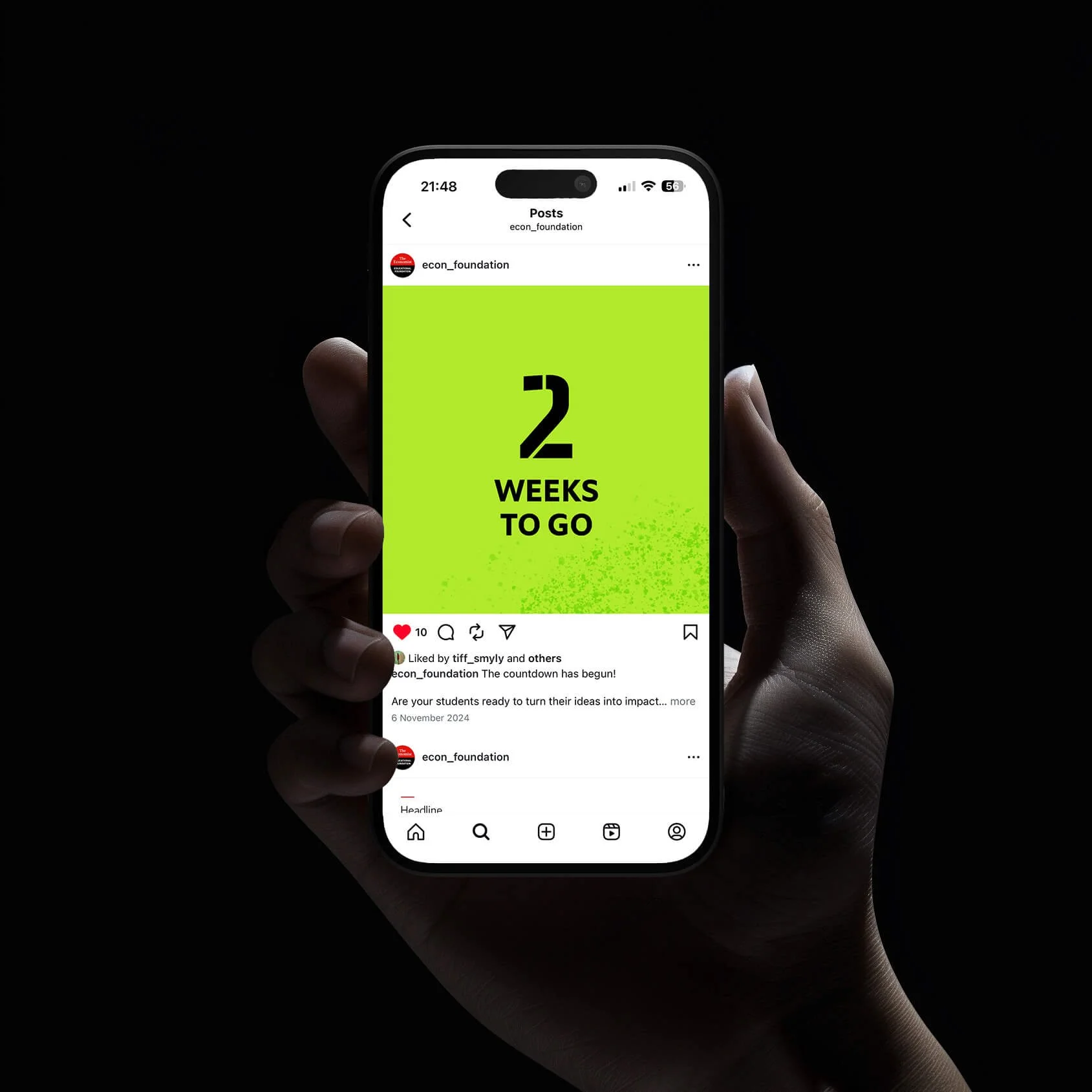
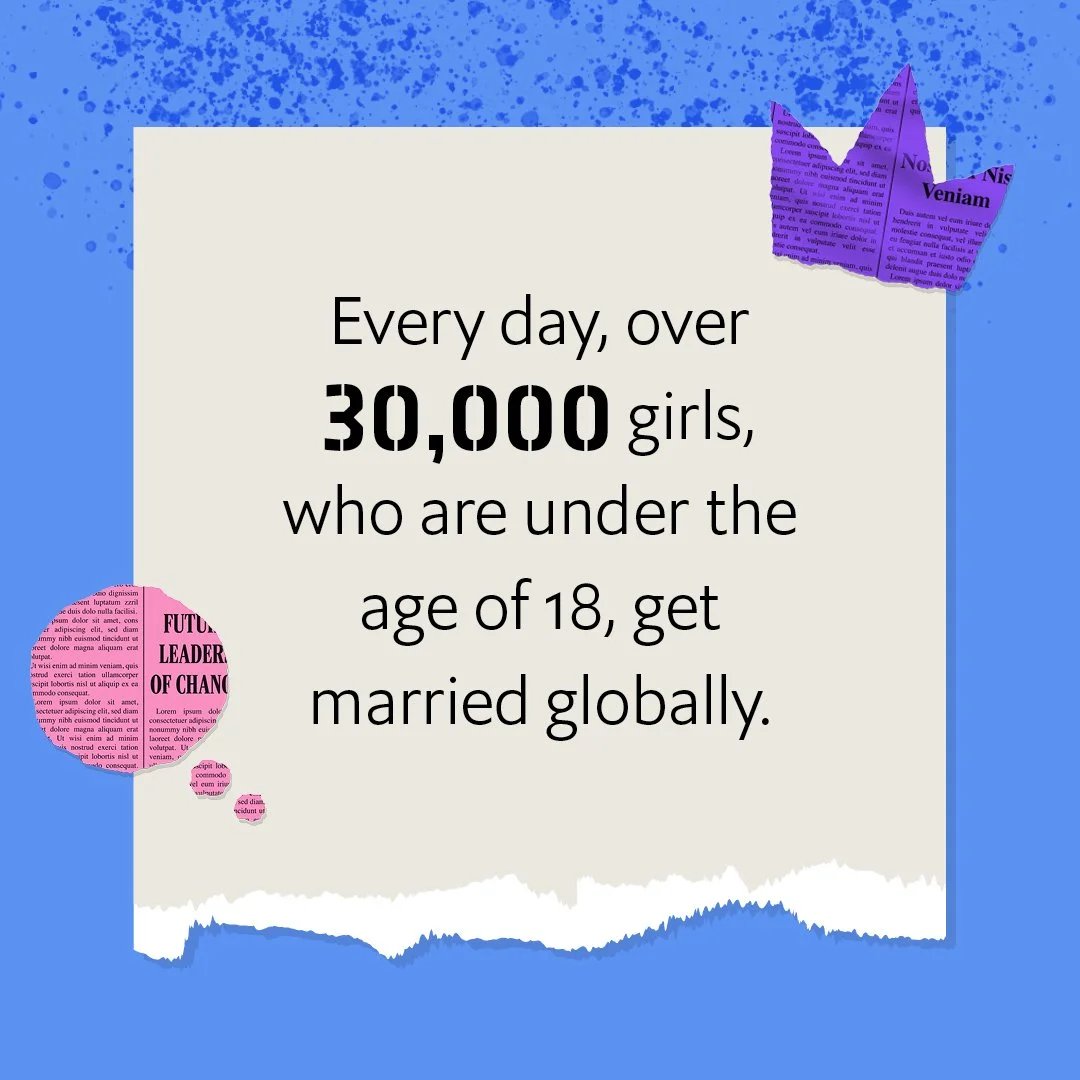
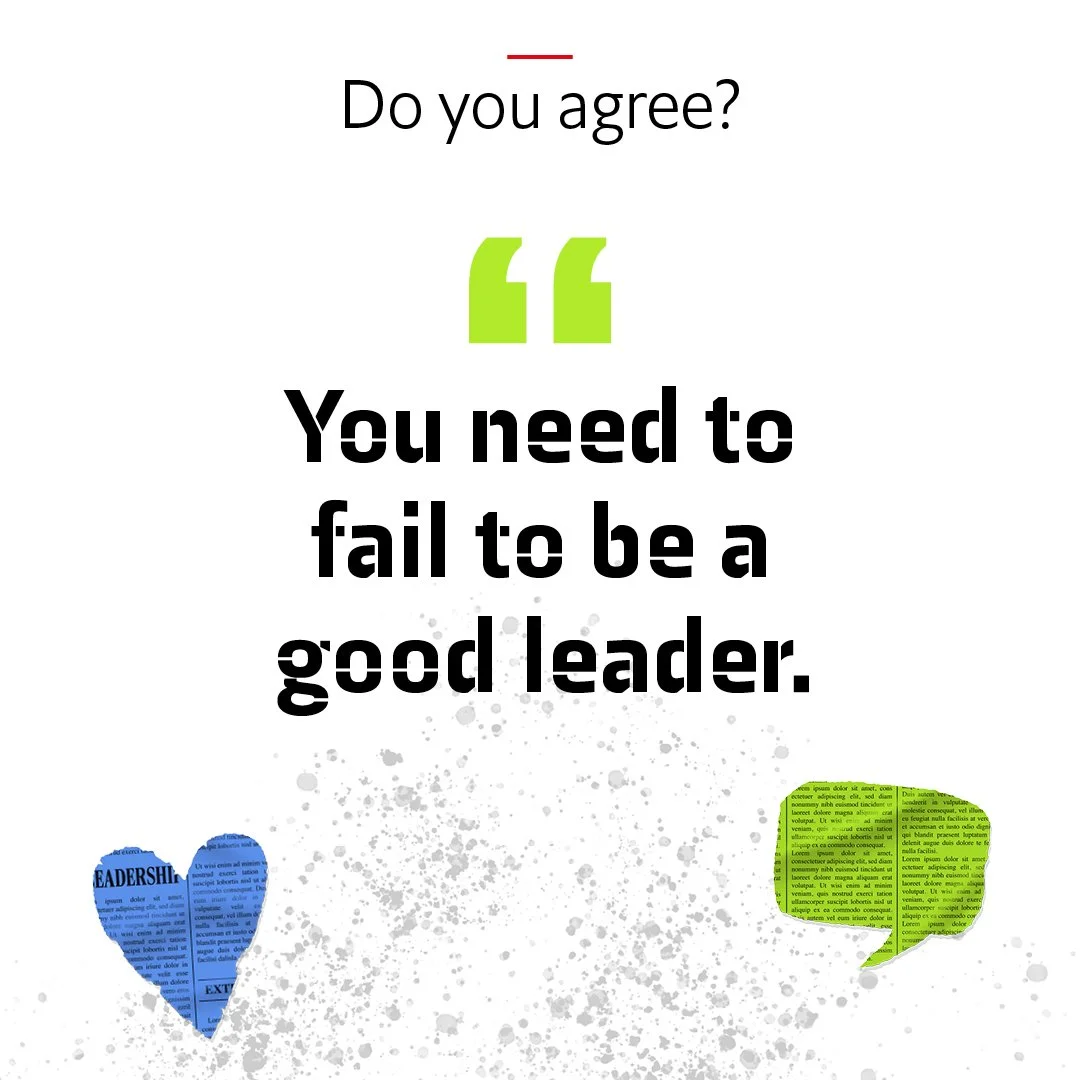
From pitching a vibrant, student-focused visual identity to Rolex to building a modular design system that scaled across everything from social media to curriculum materials. I also handled the technical side of things, building a custom submission journey using Tally and Zapier to manage global multimedia entries and creating a microsite within our main programme website. And most importantly, with a structured, phased design project plan, the Leadership for Change Prize is now built to be repeatable for years to come.
The final deliverable for the Prize was a multimedia showcase summarising the winning students’ mentorship journey. It won the Shorthand Best Events and Awards story in 2025.
Impact reports
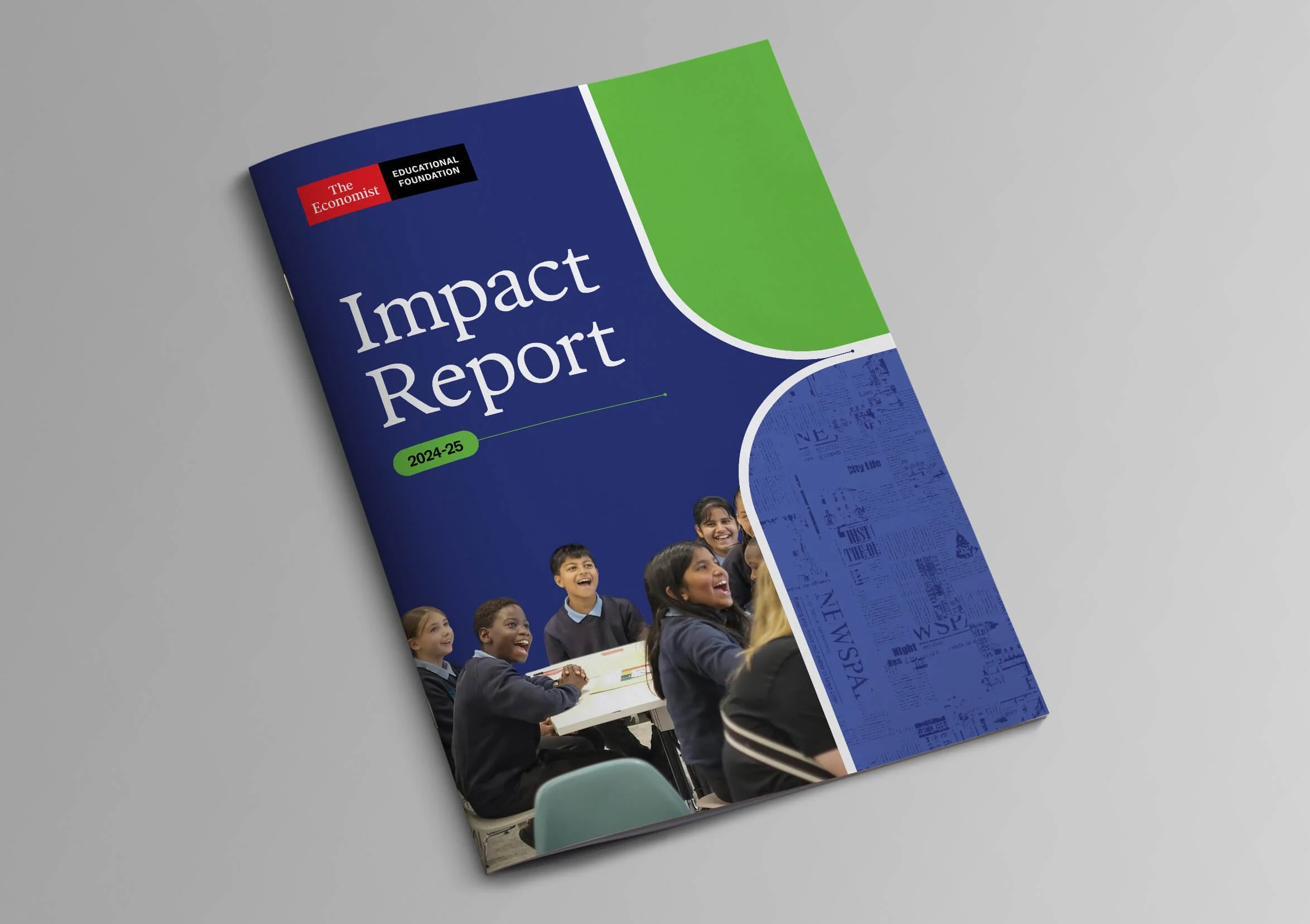
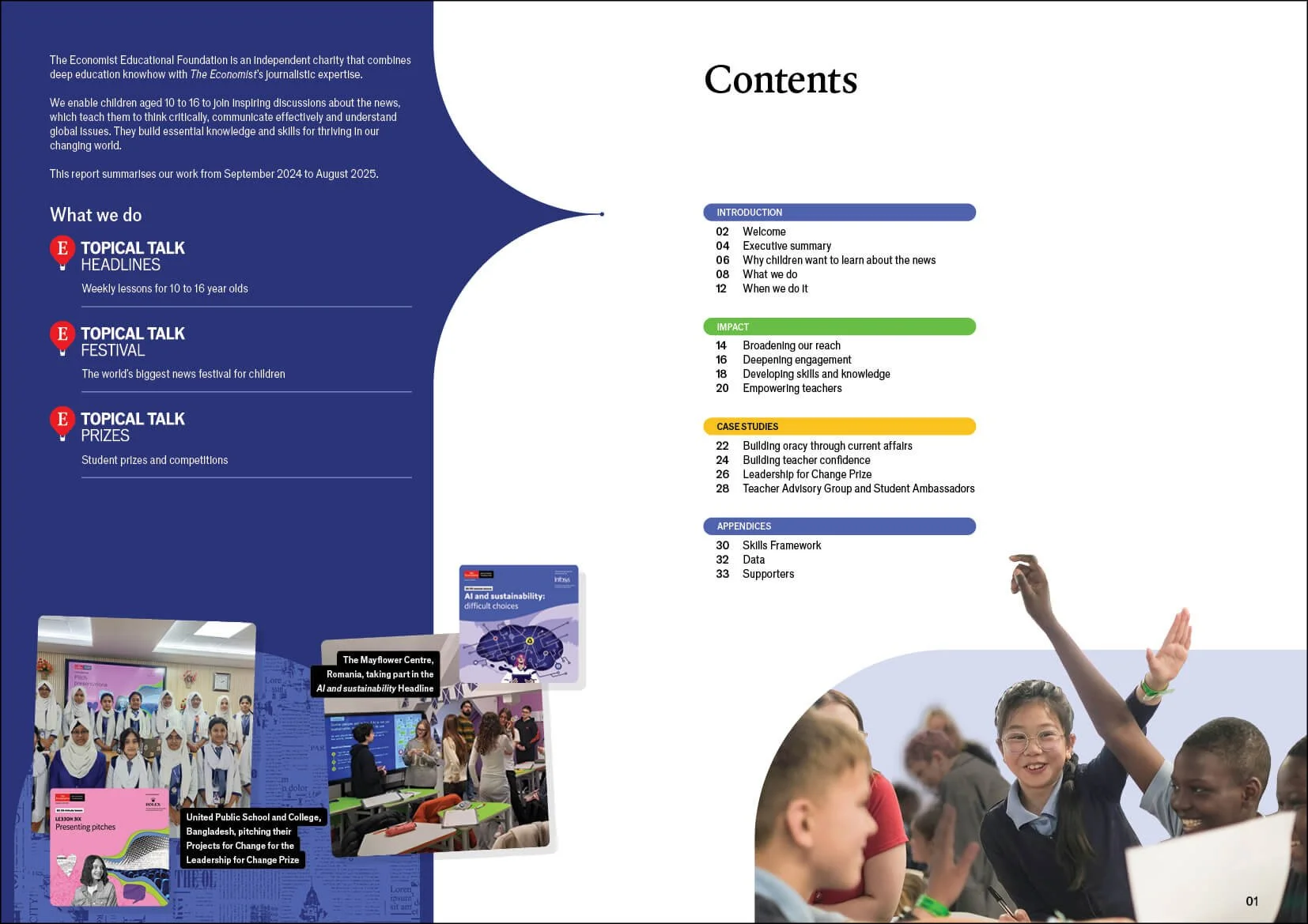
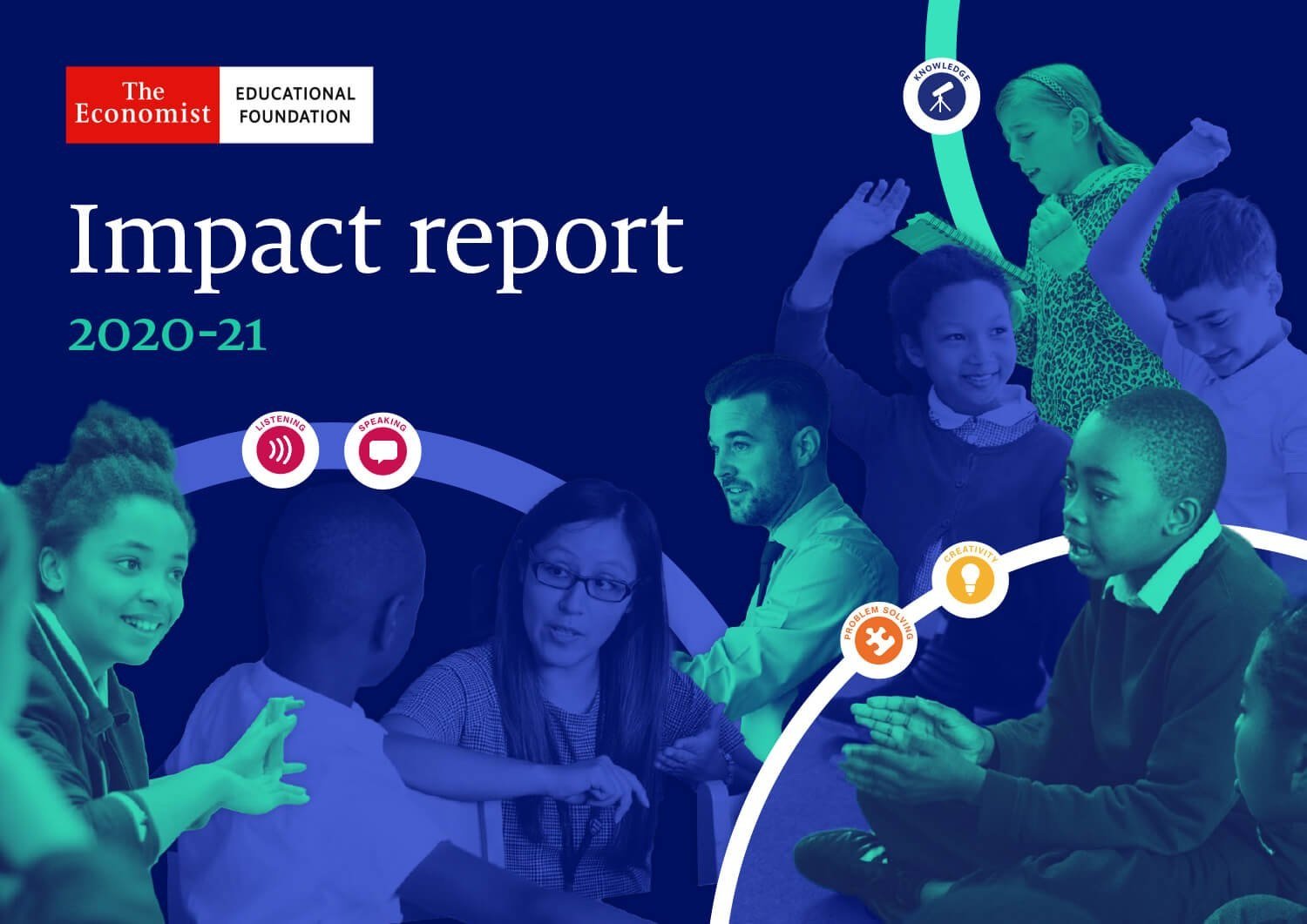
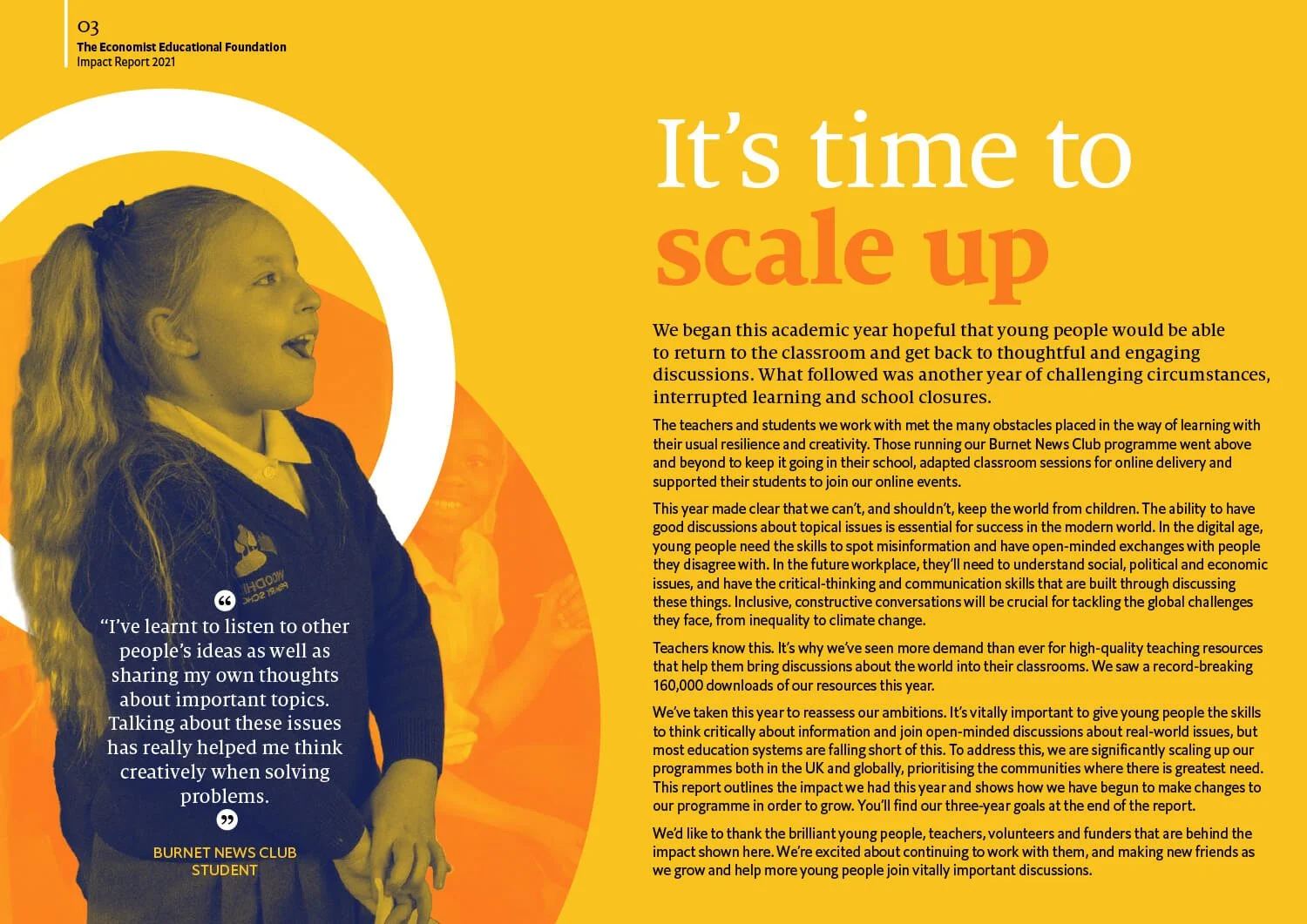
The Economist Educational Foundation is committed to measuring impact as rigorously as possible, using data-driven insights to refine how they empower young people with news literacy. These reports are more than just documents; they are at the core of the charity's mission. By blending deep quantitative data with my own photography of students in action, the design brings the Foundation’s year to life.
Topical Talk Projects
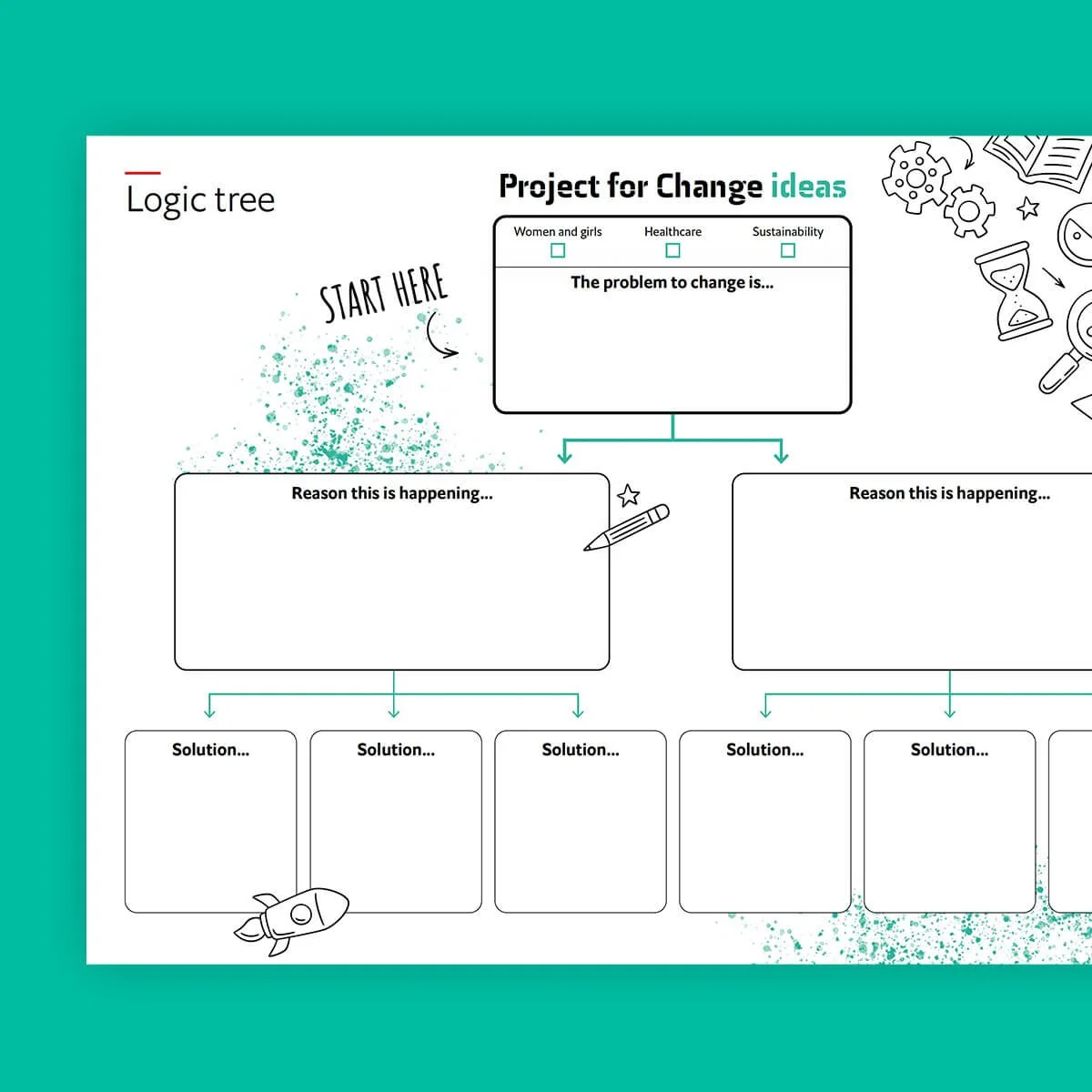
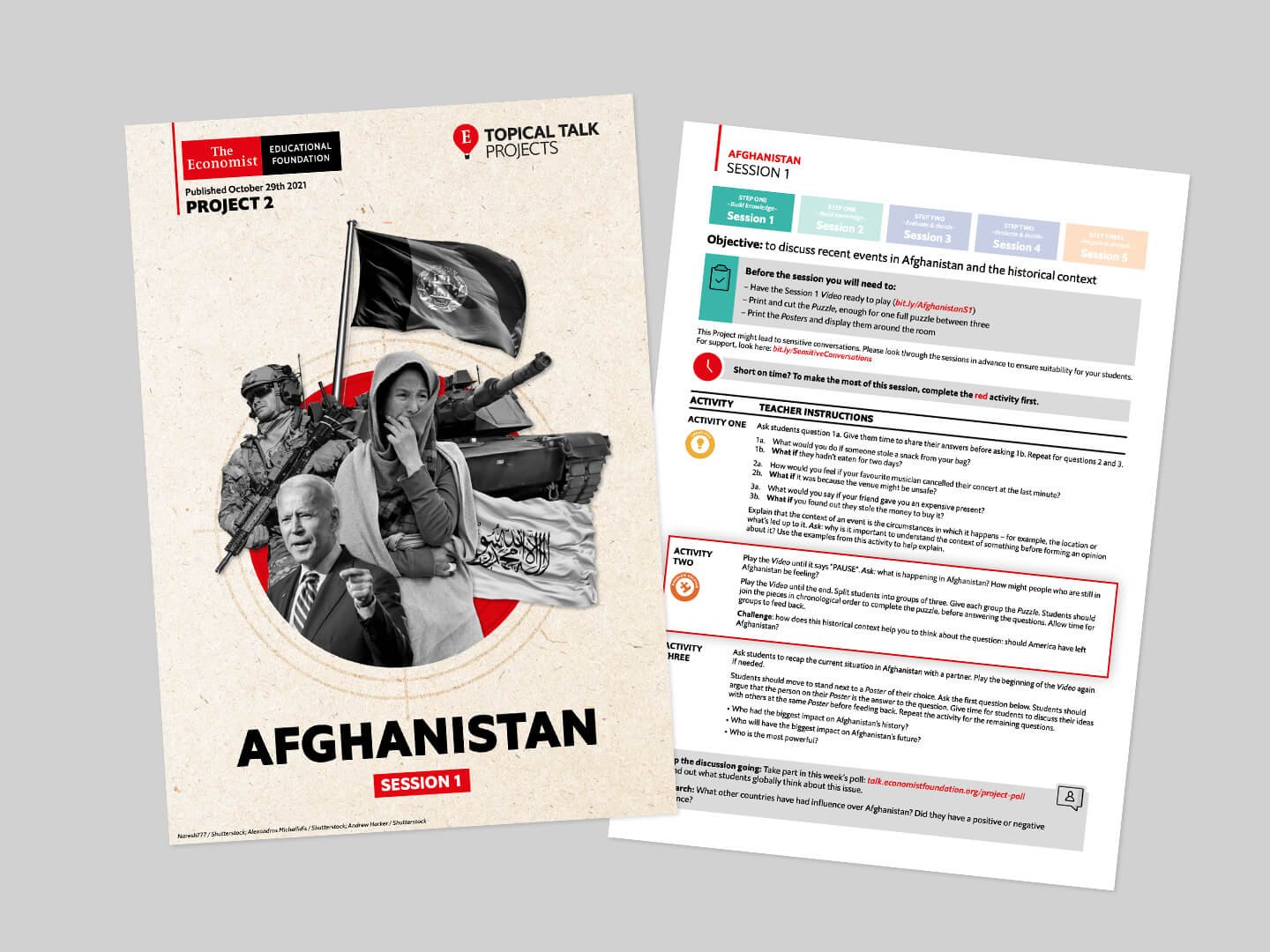
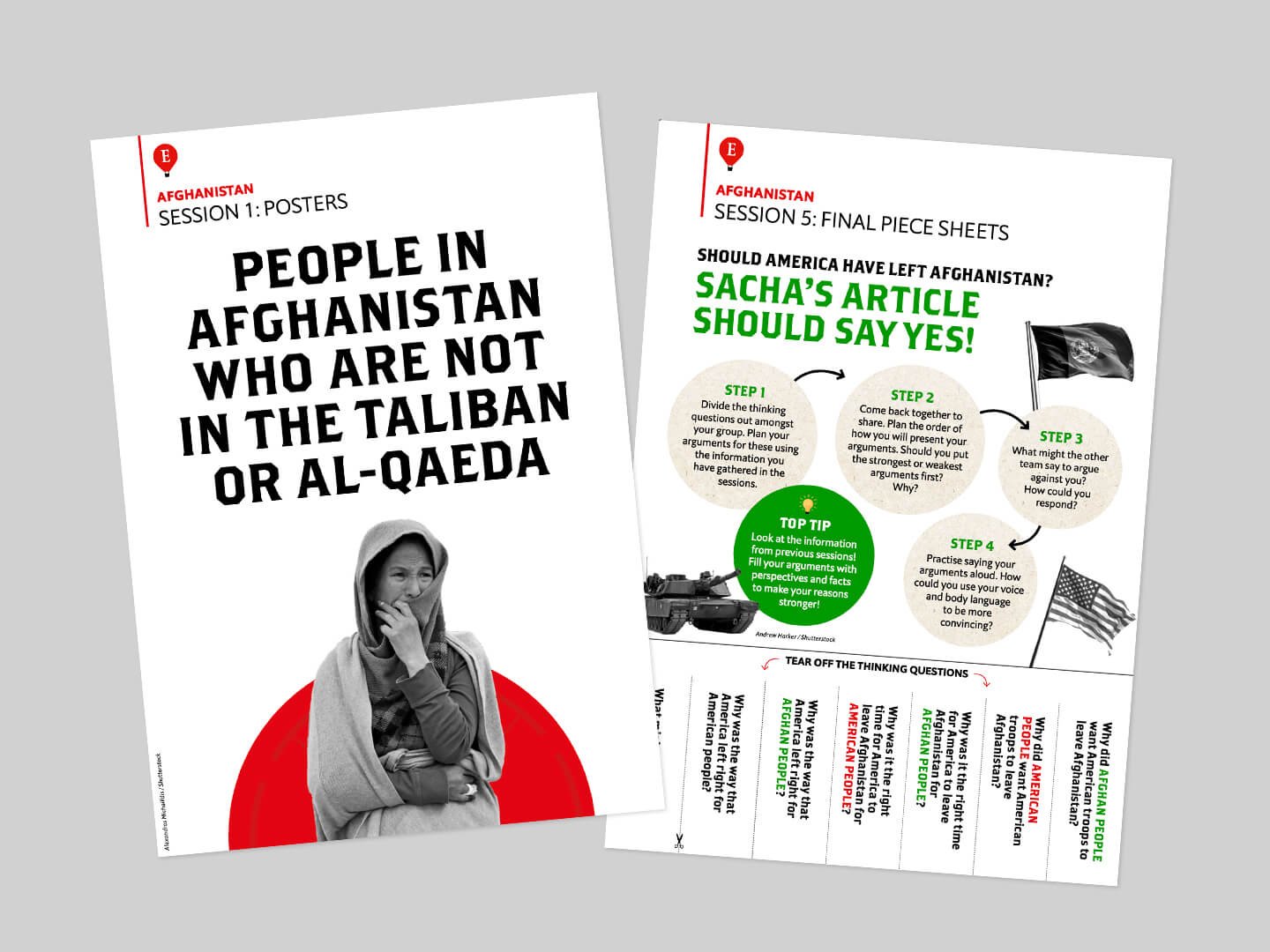
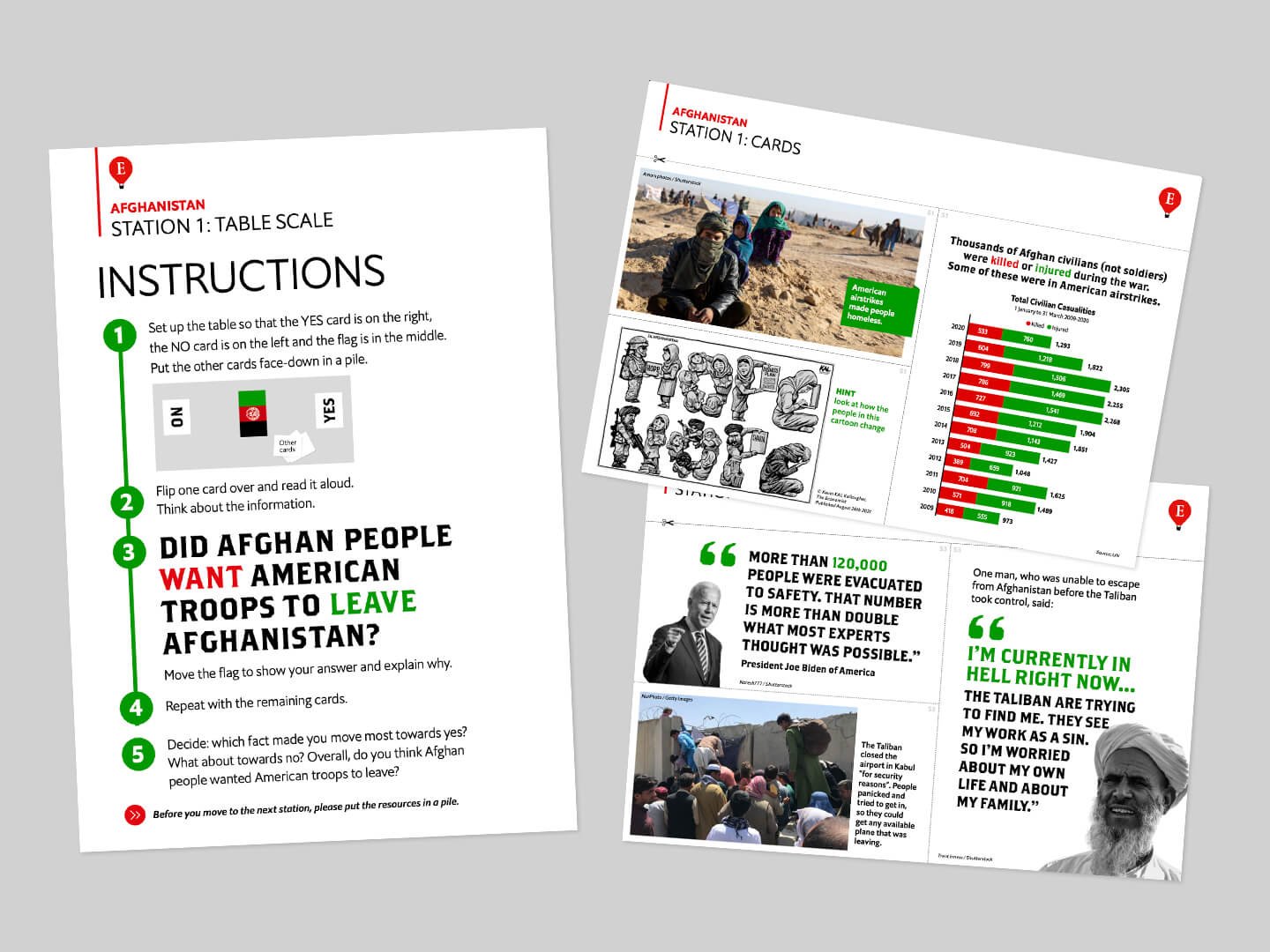
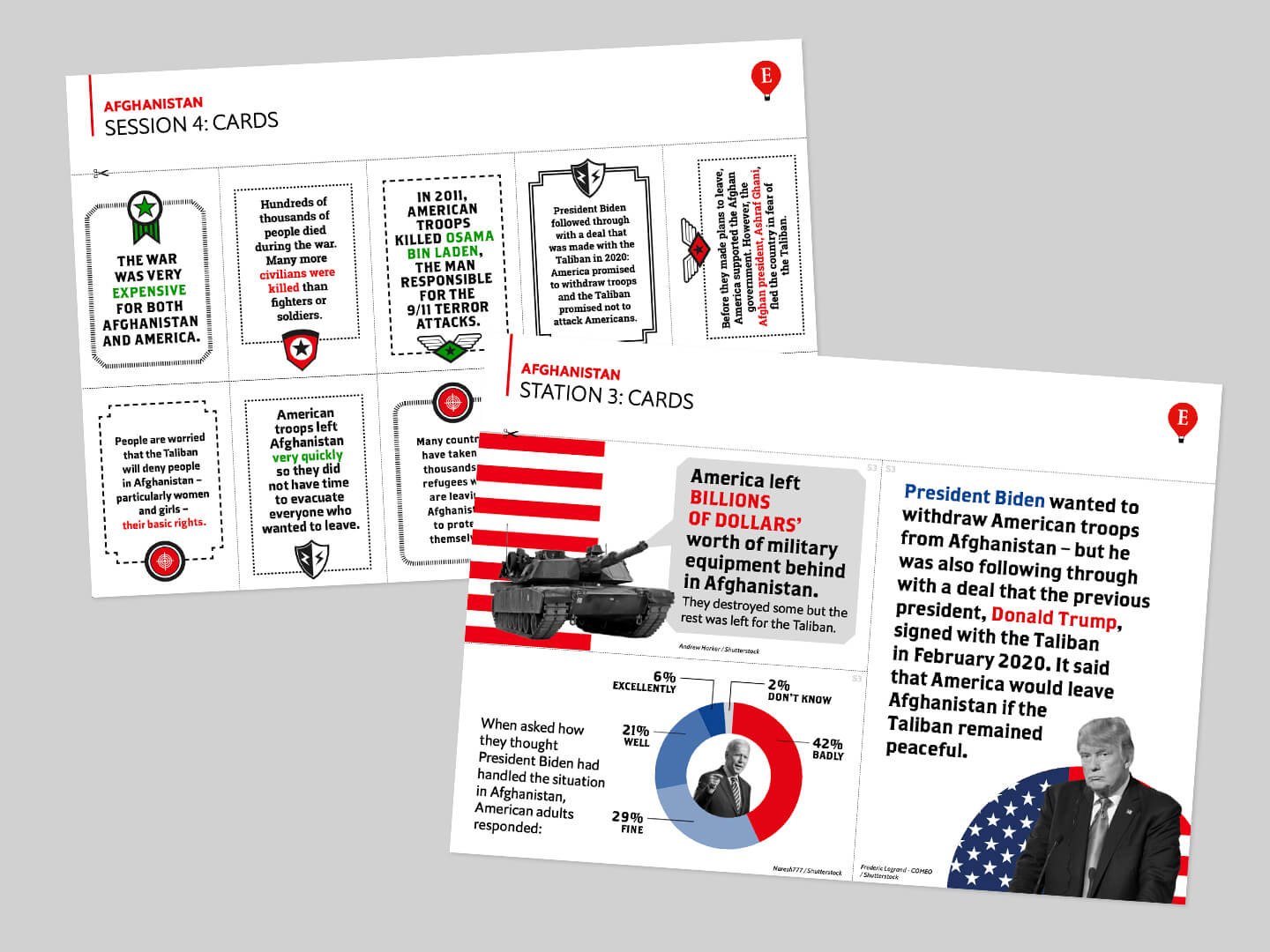
Topical Talk gives teachers free teaching resources for weekly classroom discussions about current affairs. The adaptable activities help the news make sense for learners aged 9+. A Topical Talk Project lets learners discuss one news-issue in depth over five weeks, and sequenced session plans build towards a creative Final Piece. Every Project is designed to make the teacher’s job as easy as possible, with fun games and activities, easy-to-follow lesson plans, and clear links to curriculum and skills. Not only that, but every Project is fact-checked and edited by The Economist’s expert journalists.
Designing a Project is challenging. Because of the timely subject matter and the tight editorial process, the whole thing has to be done over three days, from initial concepts to published resource.
The News Show
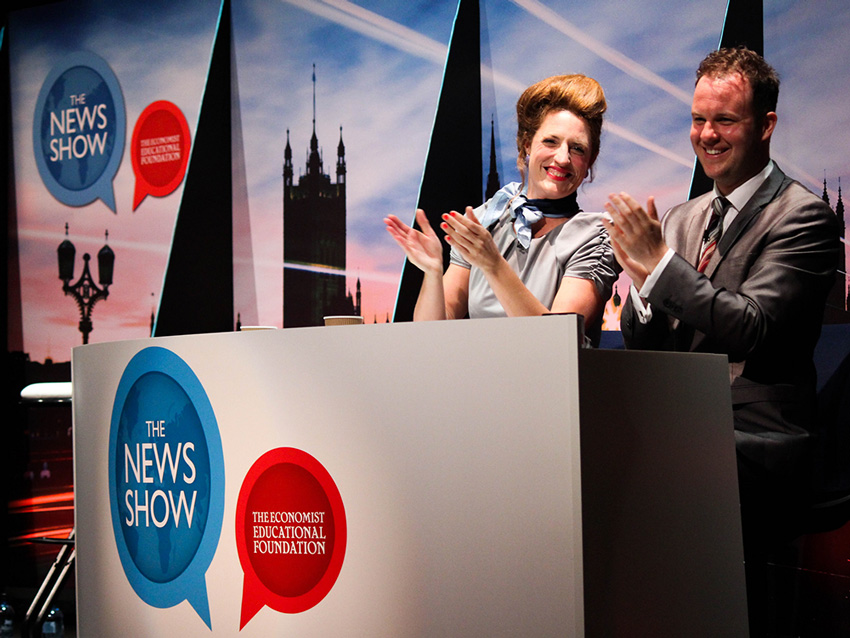
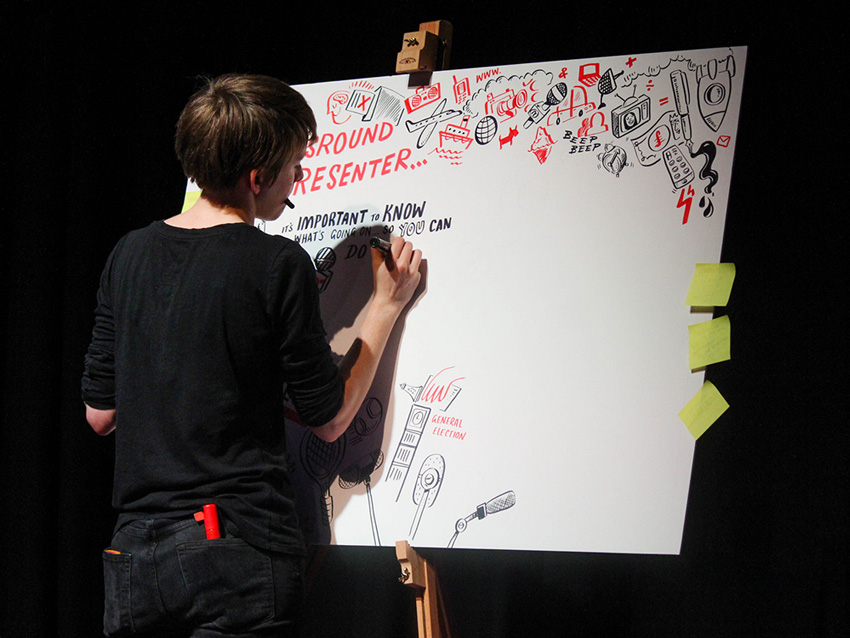
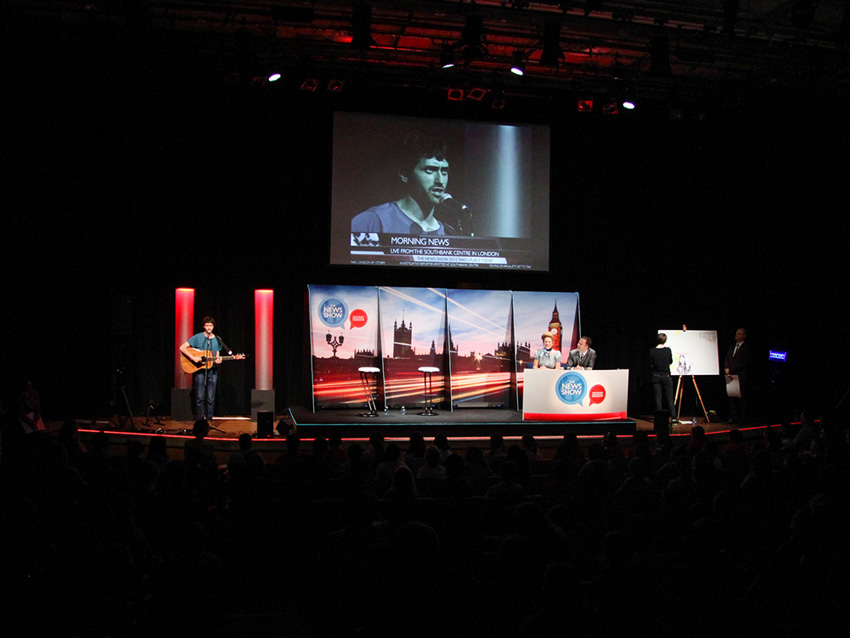
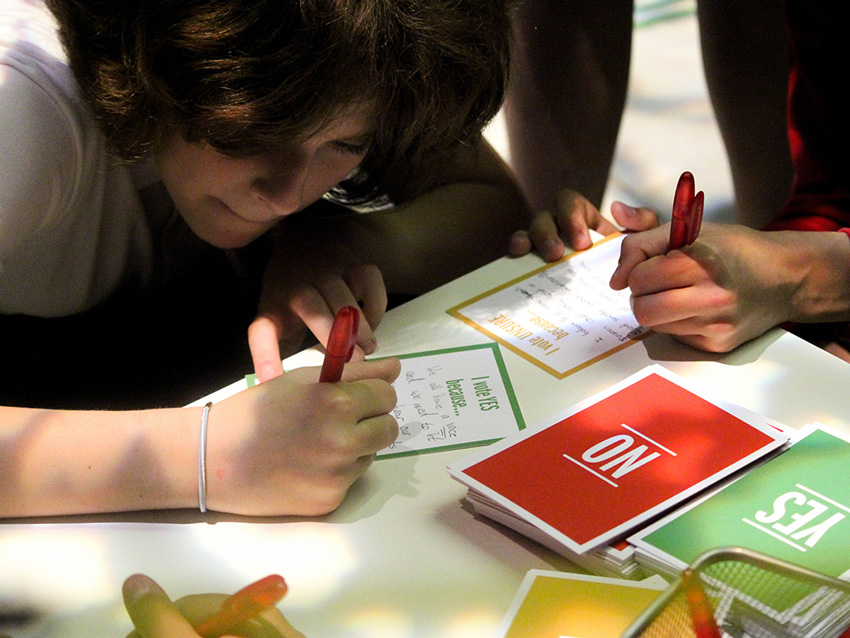
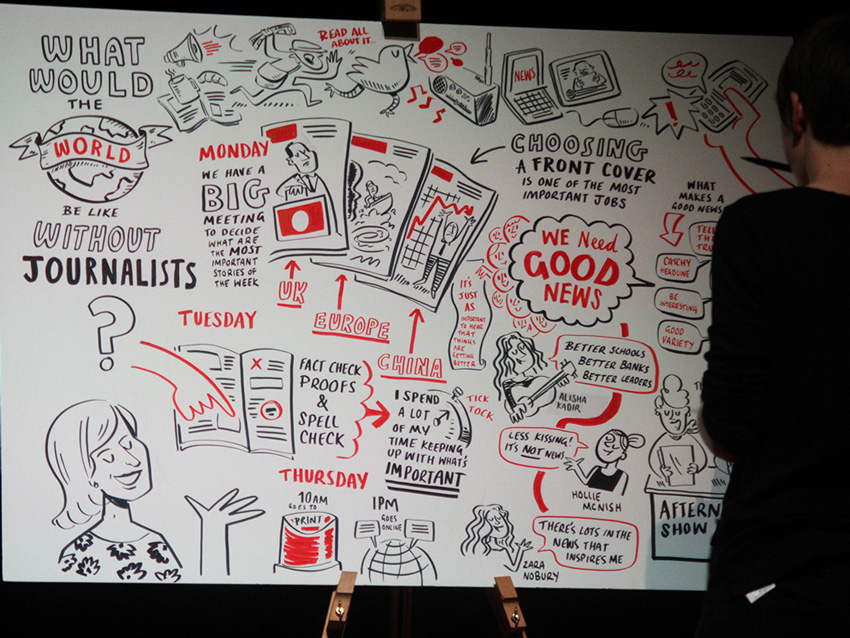
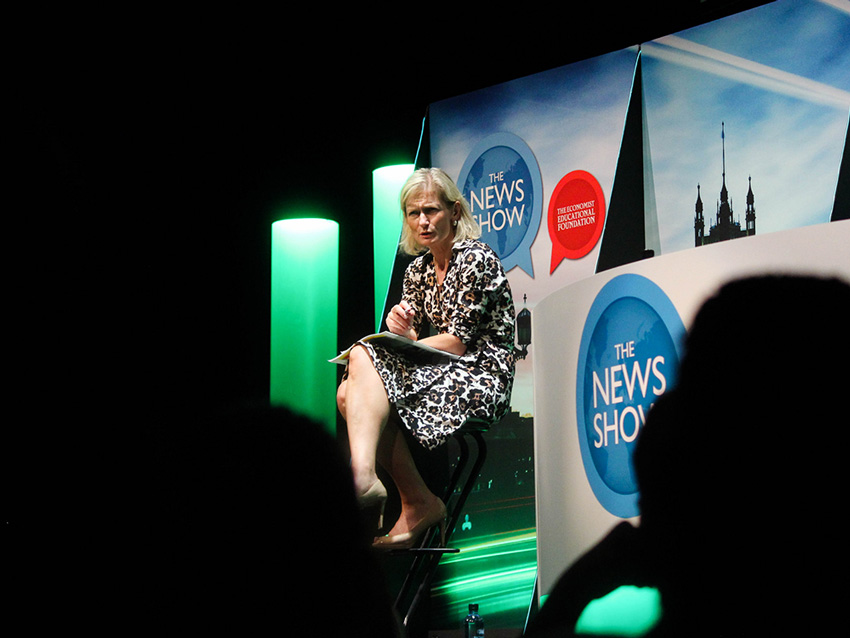
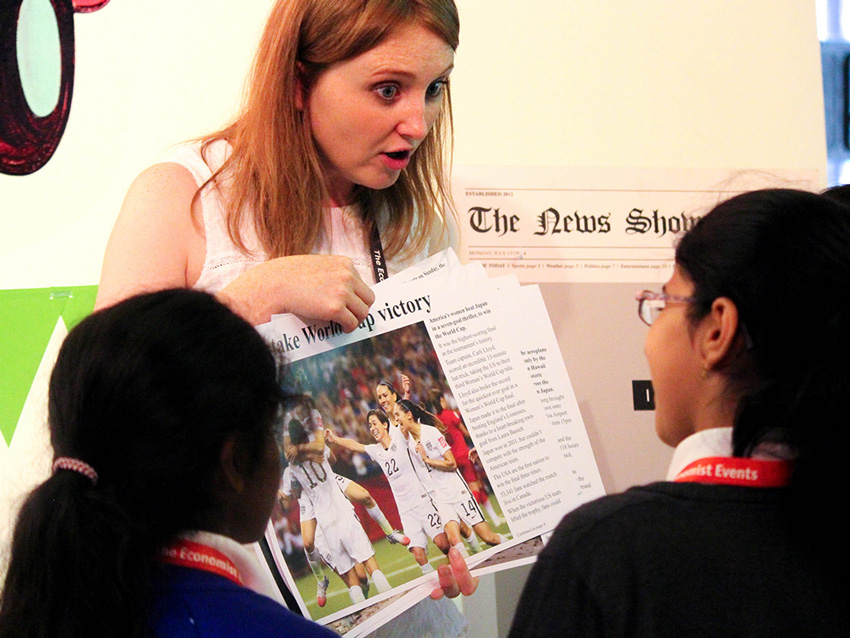
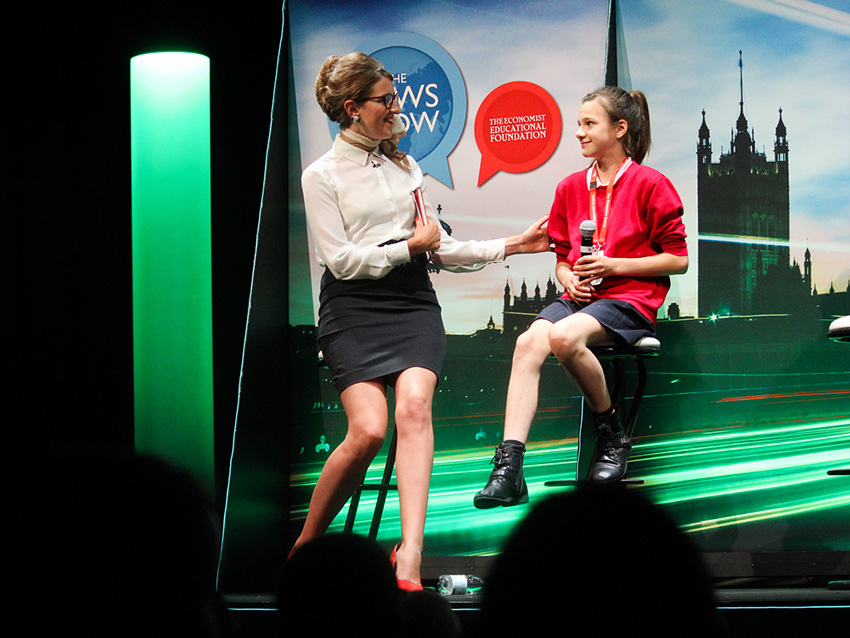
The 2014 event turned 300 primary school children into young journalists, and invited them along to The News Show. The Foundation worked with PunchDrunk to put on a live news show to inspire the children to be more interested in current affairs by giving them a magical, unforgettable experience that shows how exciting the news can be.